Enfield Town removals guide Fore Street access tips
Posted on 09/06/2026
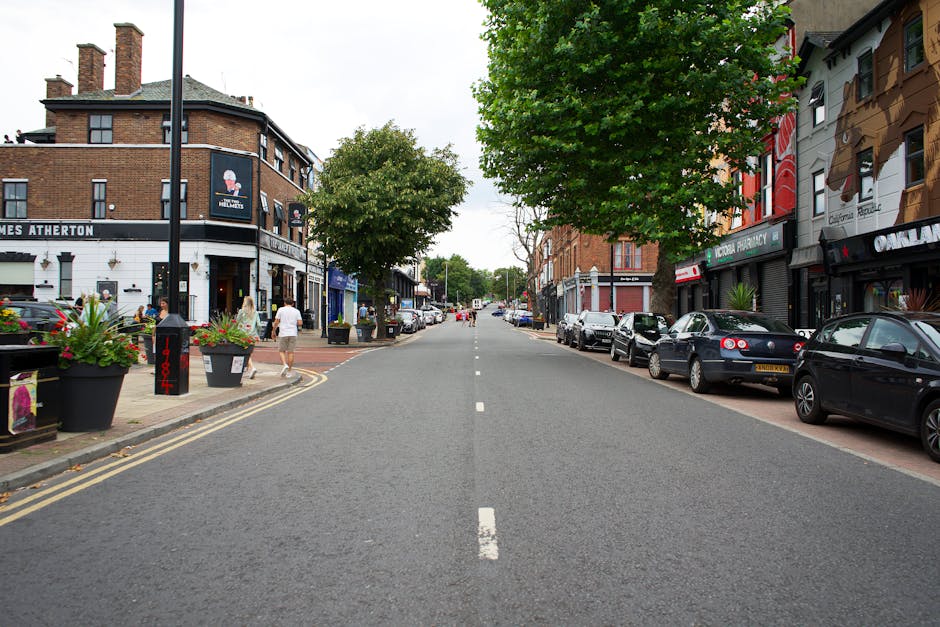
Moving in Enfield Town can feel straightforward on paper and then, suddenly, Fore Street reminds you that real life has corners, traffic pinch points, delivery vans, pedestrians, and timing to think about. This Enfield Town removals guide Fore Street access tips is here to help you plan a cleaner, calmer move, whether you are shifting from a flat above a shop, a family house a few streets back, or a smaller place with tight loading access. The goal is simple: fewer delays, less stress, and no awkward last-minute scramble because the van cannot stop where you expected.
If you are weighing up whether to handle the move yourself or bring in a team, it can help to look at the wider picture too. Pages like the removals services overview and house removals in Enfield give a useful sense of what professional support can cover. But even the best removal crew still needs a sensible access plan. Fore Street is the kind of place where a small bit of preparation saves a big headache. And honestly, who wants to be blocking a busy road with a sofa halfway out the door?

Why Enfield Town removals guide Fore Street access tips Matters
Fore Street matters because access drives everything on moving day: how close the vehicle can get, how long loading takes, whether your crew needs extra carrying distance, and whether you can keep neighbours, pedestrians, and shop traffic happy. On a quiet cul-de-sac, you can often be a bit loose with timing. On a busier street, less so. A removal that starts ten minutes late can easily drift into an afternoon of tiny delays if parking, waiting, and lift access all fall apart at once.
In Enfield Town, that becomes especially relevant for homes and flats near mixed-use stretches where people are constantly coming and going. If your property is up a flight of stairs, sits behind a narrow pavement, or shares space with deliveries, every extra metre from the van to the front door adds effort. It is not dramatic, but it does add up. You can feel it by the second box, truth be told.
Good access planning also helps you choose the right moving service. A large house move might suit dedicated removal companies in Enfield, while a compact flat move could be more efficient with flat removal support. If access is especially awkward, a smaller vehicle or a more flexible setup may be the better fit. That is the sort of detail that separates a smooth move from one that feels oddly chaotic for no good reason.
Expert summary: On Fore Street, the real win is not speed alone. It is precision: park legally, unload safely, reduce carrying distance, and time the move so your vehicle, property access, and road conditions all line up.
How Enfield Town removals guide Fore Street access tips Works
Access planning is really just the process of matching your property, your vehicle, and the street conditions to the move itself. That sounds obvious, but most moving day problems start when one of those three things is assumed rather than checked. Fore Street access tips are about looking at the route from the van to the door and asking a few simple questions: where will the vehicle stop, how far will furniture be carried, how many people are needed, and what might interrupt the process?
Start by thinking in layers. First comes road access. Can the vehicle stop close enough without blocking traffic or entering a no-stopping area? Next comes building access. Is there a side entrance, communal hallway, lift, intercom, or narrow stairwell? Then comes timing. Will you be moving during peak traffic, school run time, or a weekend burst of shoppers and visitors? Those things can matter more than people expect.
For some moves, a straightforward vehicle and crew setup is enough. For others, the best option may be a more agile arrangement such as man and van services in Enfield or a removal van option if space is tight and the load is moderate. That is not about cutting corners. It is about fitting the job to the street instead of fighting the street all morning.
In practice, a good mover will ask about access before the big day. They may want photos of the front entrance, stairwell, parking space, or any restrictions. If you have a long-carry property or awkward loading point, say so early. Really early. It saves everybody from improvising with a wardrobe at the kerbside.
Key Benefits and Practical Advantages
Getting Fore Street access right gives you more than convenience. It shapes the whole tone of the move. When access is sorted, the day feels controlled. Boxes go where they should, the team can work rhythmically, and you are not repeatedly pausing to explain where the van can stop. That calm matters more than people admit.
- Less physical strain: shorter carrying distances mean less fatigue and lower risk of bumps, drops, or strained backs.
- Faster loading and unloading: a vehicle parked close to the entrance keeps the flow moving.
- Lower disruption: thoughtful positioning helps avoid blocking neighbouring driveways, shop fronts, or pedestrian routes.
- Better use of crew time: movers spend more time moving items and less time waiting, walking, or resetting.
- Cleaner cost control: fewer delays can reduce the chance of needing extra hours or a second trip.
There is also a planning benefit that often gets overlooked: access checks help you identify other needs early. Maybe you need packing help from packing and boxes support. Maybe a fragile item needs specialist handling, such as from piano removals. Or maybe you realise that storage would make the whole move far less crowded, especially if your completion dates do not line up neatly. Small insight, big difference.
And yes, it can even improve the mood of the day. When the first five minutes go well, people relax. You can hear the tape rip, the van door close, a few footsteps on the pavement, and suddenly the move stops feeling like a problem. It becomes a task. That shift is gold.
Who This Is For and When It Makes Sense
This guide is for anyone moving in or around Enfield Town who has to think about street access, loading space, or tighter-than-average property layouts. It is especially useful if your move involves Fore Street or nearby roads where parking, traffic flow, and pedestrian activity can affect how smoothly the day runs.
You will find it most useful if you are:
- moving from a flat above a shop or mixed-use property;
- relocating a family home with bulky furniture;
- running an office or business move where timing matters;
- planning a same-day move and need the logistics to be very efficient;
- trying to decide between a full service move and a smaller vehicle-based option;
- working around storage, delayed keys, or staggered handovers.
If you are a student moving into or out of the area, access concerns can still matter, even if the move itself is smaller. Hallways fill quickly, parking can be limited, and a single van wrongly placed can slow everything down. That is why student removals in Enfield can be a smart option when speed and simplicity are the real priorities.
Office and commercial moves have their own rhythm. You need to think about staff access, building rules, and the timing of deliveries or visitors. In those cases, a dedicated office removals service is often more practical than trying to force a residential-style move into a business setting. It sounds obvious, but people try it anyway.
Step-by-Step Guidance
Here is a practical way to prepare for a Fore Street move without overcomplicating it.
- Check the property entrance first. Measure doorways, note stair turns, and look for anything that could snag larger furniture. A narrow landing can matter more than the length of the route.
- Inspect parking options. Look at where a van could stop legally and safely. You do not need perfection, but you do need a realistic plan.
- Identify loading obstacles. Think about bins, low walls, bollards, steps, or shared entrances. These are the little things that cause big delays.
- Choose the right moving setup. For a smaller property or quicker job, a flexible option like man with a van in Enfield may be enough. For larger homes, you may need a more substantial team.
- Pack by priority. Keep essentials separate, label fragile boxes clearly, and avoid leaving random loose items for the final ten minutes. That final ten minutes is where the mess likes to breed.
- Share access notes with your mover. Tell them about staircases, restricted parking, lift bookings, and any arrival windows. Photos help a lot.
- Keep a contingency plan. If the closest space is taken, where is the next best place to stop? If the lift is out, what is the stair route? A fallback plan is not pessimism. It is common sense.
A useful detail here: if your move is only a few large items, you may not need a full removal team. A smaller vehicle or a tailored service can make the day feel lighter. If you are moving bulky furniture, though, consider specialised help from furniture removals in Enfield. Big tables and wardrobes are where DIY confidence often meets reality. Hard.
Finally, do a quick walk-through before the van arrives. Open the doors fully, move loose mats, and make sure the path from entrance to van is clear. You will notice the difference immediately. Less stop-start, less muttering, more progress.
Expert Tips for Better Results
To be fair, most removal problems are preventable with a few disciplined habits. The trick is not doing more. It is doing the right things earlier.
Tip 1: Aim for the quietest workable time. If you can choose your moving window, avoid the busiest parts of the day. Early starts are often easier for access, parking, and general calm. The street tends to feel less crowded and the pace is more forgiving.
Tip 2: Protect the loading path. Inside the property, remove anything that slows the route: shoes, umbrella stands, side tables, open doors that swing back, all of it. A clear route is a safer route. Simple, but many moves ignore it.
Tip 3: Use colour or room labels. This helps movers place boxes faster once they reach the new property. If the van is parked a bit further away than planned, you will still save time inside.
Tip 4: Be honest about awkward items. A piano, large mirror, awkwardly shaped sofa, or antique cabinet changes the access conversation completely. That is where specialist planning matters, and where piano moving support can be especially valuable.
Tip 5: Keep one person on access duty. If possible, designate one calm person to manage questions, parking updates, and building access. It stops everyone else from answering the same query five times.
Tip 6: Plan for the new address too. People often focus only on collection, then forget the drop-off side. Check whether the destination has parking restrictions, stair access, or lift booking requirements before the van leaves the old place. That little oversight can waste a whole afternoon.
If your move date is tight or changes at short notice, you may need faster help. In those cases, a same day removals service can be worth exploring, though it is best used with realistic expectations and clear access information. Same day sounds tidy. The logistics, less so.
Common Mistakes to Avoid
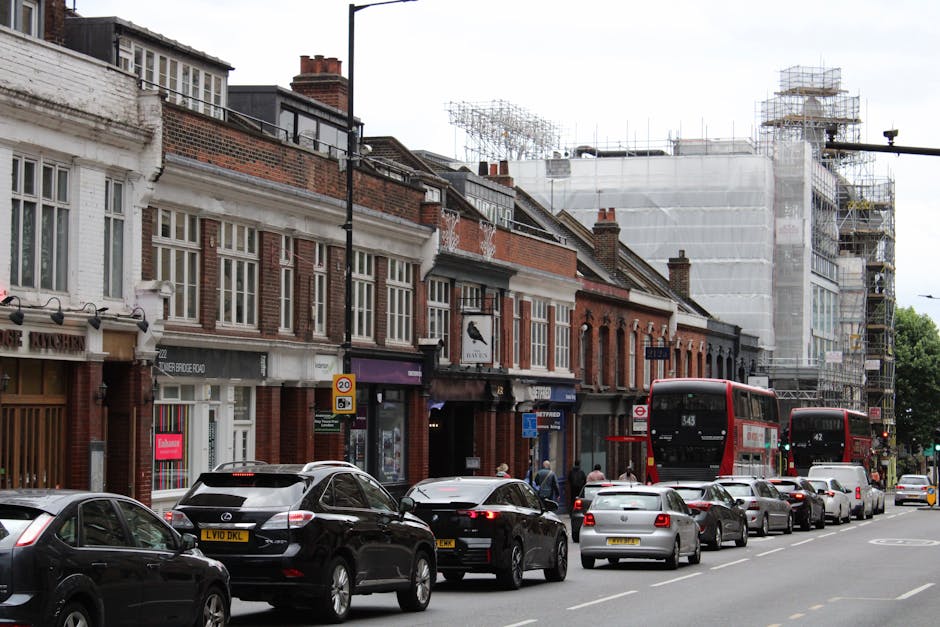
Fore Street access issues are rarely dramatic disasters. More often, they are a string of small avoidable mistakes that add friction. Here are the ones that come up most often.
- Assuming the van can stop right outside. Even a short road can be awkward at certain times. Never assume parking is available without checking.
- Ignoring carrying distance. A ten-metre carry is very different from a fifty-metre one, especially with sofas or appliances.
- Forgetting building rules. Some properties need lift bookings, porter access, or advance notice. Skipping this can create delays that are not the mover's fault.
- Leaving packing until the morning of the move. That is the classic one. It usually ends with open boxes, missing tape, and a slightly wild look in everyone's eyes.
- Not telling the moving team about obstacles. If there is a steep path, tight corner, or shared entrance, say so early.
- Choosing the wrong service size. A tiny van for a large household move, or a huge vehicle for a compact flat, can both create problems. Fit matters.
Another subtle mistake is underestimating how access affects the end of the move. You might think the hard part is loading, but unloading into a narrow hallway or upper-floor flat can be just as demanding. That is why it helps to match the move type properly, whether you need house removals or a more compact removal van arrangement.
And one more, because it deserves its own line: do not leave the keys, parking notes, and contact numbers on three different devices and hope for the best. Hope is lovely. Organisation is better.
Tools, Resources and Recommendations
You do not need fancy kit to make a Fore Street move work well. You need the right basics and a little discipline.
- Measuring tape: useful for doorways, furniture widths, and lift dimensions.
- Phone camera: take photos of parking options, entrances, stairs, and any access restrictions so the moving team can review them.
- Labels and marker pens: make rooms, fragile items, and essential boxes easy to spot.
- Strong tape and packing materials: because weak boxes are a false economy.
- Floor protection: helpful for wet days, muddy shoes, or high-traffic entries.
- Storage planning: if dates do not line up, use a short-term buffer rather than forcing everything into one day.
When you are comparing options, look beyond the headline service name. A good provider should make access planning part of the conversation, not an afterthought. If you want a broader view of available help, the removal services in Enfield page is a practical starting point, and for smaller moves the man and van service can be a sensible fit.
If you are unsure whether to pack, store, or move everything in one go, storage can buy you breathing room. That is especially handy when access is tight and you would rather not rush furniture placement. In that kind of scenario, storage in Enfield can make the whole process less tense.
One practical recommendation: keep a simple access note on your phone and send it to the mover the day before. Include the entrance description, parking limitations, and any time restrictions. That tiny bit of admin saves a surprising amount of back-and-forth.
Law, Compliance, Standards, or Best Practice
When planning a move on or near Fore Street, legal and safety awareness matters, even if the job itself is domestic and fairly ordinary. You do not need to become a transport expert, but you do need to think about parking legality, public access, safe lifting, and respect for shared spaces.
Best practice in the removals industry is to avoid blocking traffic, footpaths, or emergency access routes. That sounds basic, but it is still one of the most important rules of thumb. If a vehicle cannot stop safely where you planned, a better alternative should be found rather than forcing the issue. A good moving crew will treat that as non-negotiable.
Safety also extends to handling heavy items. Correct lifting, sensible team size, and proper wrapping all matter. If you have fragile furniture, valuable items, or awkward stair access, professional care is worth it. The company's own insurance and safety information should reassure you that they take the basics seriously.
For business customers, there may be extra building or tenancy rules to follow, including access booking, delivery windows, or loading bay requirements. Those are not always formal laws, but they do count as operational rules and ignoring them can cause awkward delays. If you are planning a commercial move, it is sensible to keep communication clear and documented.
On the customer side, it is also sensible to read the practical terms before booking. That includes timing, responsibilities, and payment expectations. The company's terms and conditions and payment and security details are worth a quiet read when you are comparing options. Not glamorous, but helpful.
If you want to understand how the company approaches professional standards more broadly, its health and safety policy and about us page give additional context. That sort of transparency matters, especially when you are letting someone move your belongings through a busy local street.
Options, Methods, or Comparison Table
Choosing the right moving method is often about access. Here is a simple comparison to help you decide what fits Fore Street conditions best.
| Option | Best for | Access advantage | Things to watch |
|---|---|---|---|
| Full house removals | Larger homes, full contents, family relocations | Structured team, better for multiple bulky items | Needs clear parking and enough space to work efficiently |
| Flat removals | Apartment moves, smaller loads, upper floors | Tailored for stairwells, lifts, and tighter entrances | Must be planned carefully around communal access |
| Man and van | Smaller moves, part-loads, quick local jobs | Flexible and often easier to position on busy streets | May be less suitable for heavy or extensive furniture sets |
| Same-day removals | Urgent or last-minute situations | Fast response when time is short | Works best when access details are very clear |
| Storage plus move | Delayed handovers or staggered dates | Reduces pressure on the day itself | Requires extra planning and coordination |
If you are still deciding, think about the size of your load first, then the access situation second, and price third. That order tends to produce better decisions. The cheapest option is not always the cheapest once delays are added in.
Case Study or Real-World Example
Here is a realistic local scenario. A couple moving from a first-floor flat near Fore Street had two big challenges: limited on-street space outside the building and a narrow internal stairwell. At first, they assumed a larger van would be better because it would mean fewer trips. Sensible on the surface, but not quite right for the street.
Once they walked through the access properly, they realised a more compact vehicle would actually save time. The van could position more easily, the carry distance was shorter, and the movers did not need to battle awkward angles inside the stairwell. They also packed the essentials separately, labelled fragile items clearly, and kept the lift booking and arrival times in one message thread. Nothing fancy. Just tidy planning.
The result was a move that felt steady instead of rushed. There were still a few expected hiccups - one neighbour needed to leave, one box was heavier than expected, the usual small stuff - but because access was planned well, none of those moments turned into real problems. That is the thing about good removals work: you notice the calm more than the work itself.
If that sort of situation sounds familiar, a service such as flat removals in Enfield or man with a van in Enfield may be a much better fit than trying to over-engineer the move. Sometimes the best move is the one that feels slightly boring. Boring is good on moving day.
Practical Checklist
Use this checklist the day before your move. It keeps the Fore Street access plan clear and helps you catch the little details that usually go missing at the last minute.
- Confirm the exact move date and arrival window.
- Check where the vehicle can stop legally and safely.
- Photograph the entrance, stairwell, and parking area.
- Measure any narrow doors, hallways, or stairs.
- Tell the mover about lifts, intercoms, or access codes.
- Clear the route from the front door to the van.
- Set aside fragile, valuable, and essential items.
- Prepare labels for rooms and priority boxes.
- Make a backup plan if the nearest parking space is taken.
- Check whether storage is needed for any items.
- Keep phone numbers and key contacts handy.
- Review booking details and any service notes in advance.
If you want to double-check pricing or compare service levels before booking, the pricing and quotes page is a useful next stop. And if you have questions about a specific move, you can always use the contact page to get a direct answer rather than guessing. That alone can save a lot of back-and-forth.
Get a free quote today and see how much you can save.
Conclusion
Fore Street access is one of those moving details that seems small until it becomes the thing that shapes the whole day. With a bit of planning, you can avoid the common frustrations: blocked parking, long carries, rushed loading, and the general sense that the move is happening to you rather than with you. Once the access is mapped out, everything else gets easier.
Whether you are booking a full household move, a flat move, a smaller van-assisted job, or a quick same-day relocation, the principle is the same. Match the service to the street, share access information early, and keep the route clear. Do that, and you have already removed a surprising amount of stress.
And if the day still feels a little messy at points, that is normal. Moves are rarely perfect. They just need to be well handled. That is usually enough, and more than enough really.