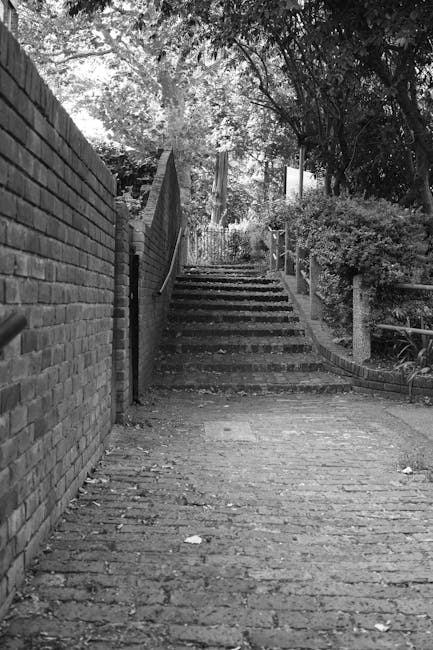
Enfield narrow street removals access and stairs risks
If you are moving in Enfield and the street is tight, the stairwell is steep, or the front door feels about two inches too narrow for comfort, you are not imagining the stress. Enfield narrow street removals access and stairs risks can turn a straightforward move into a careful planning job, especially in older terraces, mansion blocks, flats above shops, and roads where parking is already a bit of a battlefield.
Truth be told, most moving problems in these settings are predictable. The good news is that predictable problems can be managed. In this guide, we will look at the real access issues, the risks around stairs and landings, how removals teams reduce damage and delays, and what you can do to make moving day calmer. A little preparation goes a long way. A very long way, actually.
Why Enfield narrow street removals access and stairs risks Matters
Access issues sound simple until you are standing on the pavement with a sofa, a mattress, and a van that cannot get quite close enough to the door. In Enfield, that happens more often than people expect. Narrow residential roads, parked cars, blind corners, shared drives, and older staircases all create friction during a move.
The main reason this matters is not just convenience. Access and stairs risks affect safety, time, cost, and damage risk. A move that takes 2 careful hours on paper can stretch into half a day if the crew has to carry every item further than planned, wait for parking space, or keep re-checking whether a large wardrobe will clear the landing.
There is also a human side to it. Moving day can already feel noisy and rushed: doors open, footsteps echo on narrow stairs, someone is trying to find the kettle, and the hallway has that cardboard-and-dust smell you only notice during a move. Small access problems quickly become big ones if nobody has thought them through.
Key takeaway: the tighter the access and stairs, the more important pre-move planning becomes. Good removals are not about brute force. They are about route planning, lifting technique, protection, and timing.
If you want a broader look at local moving services, the main removals page is a useful place to start, especially if you are comparing the type of help needed for a flat, terrace, or family house.
How Enfield narrow street removals access and stairs risks Works
At a practical level, this topic is about how a removals team assesses, manages, and adapts to difficult access. A good crew does not simply arrive and hope for the best. They look at the route from van to property, the width of the street, whether a vehicle can stop safely, how far items must be carried, and whether stairs, bannisters, or turns create pinch points.
In simple terms, the process usually works like this:
- Access is checked in advance. That can be through photos, a call, a site visit, or a short written description from you.
- Risks are identified. These may include narrow staircases, low ceilings, sharp corners, uneven steps, weak handrails, or parking restrictions.
- The load plan is adjusted. Large items may need extra protection, dismantling, or a different carrying route.
- The vehicle position is chosen carefully. Sometimes the best parking spot is not the closest one, but the safest and least disruptive.
- The team uses the right equipment. That might include trolleys, sliders, blankets, straps, gloves, and edge protection.
- Items are moved in a sensible order. Heavy or awkward pieces are often handled first while the crew is fresh and the route is clear.
Stairs are where many problems show up. One awkward turn on a tight stairwell can be enough to scratch a wall, bend a banister, or put strain on a mover's back. Let's face it, stairs never look quite as narrow as they do when you are carrying a wardrobe halfway up them.
For larger homes, it may also help to compare options such as house removals or a smaller-scale option like man and van support, depending on the volume of furniture and the complexity of the access.
Key Benefits and Practical Advantages
Planning properly for narrow street access and stairs is not just about avoiding trouble. Done well, it brings real practical benefits.
- Less chance of damage. Door frames, banisters, paintwork, flooring, and furniture all benefit from careful route planning.
- Faster loading and unloading. When the vehicle can park sensibly and the team knows the route, the whole move flows better.
- Lower physical strain. Better planning reduces awkward lifts and repeated carrying.
- More accurate quotes. Access details help removals companies price jobs more fairly and avoid surprises later.
- Less disruption to neighbours. This matters in tight Enfield streets where access is already limited and people notice a van blocking the road.
- Better timing on moving day. When the team knows exactly what they are walking into, there is less faffing about. Simple as that.
There is another benefit people overlook: confidence. You feel calmer when you know the awkward staircase, the compact pavement, and the bulky sofa have all been thought through before anyone lifts a thing. That calm is worth a lot on a moving day that starts early and ends with tired feet.
If you are comparing service standards as well as price, it is worth reading the company's insurance and safety information so you know what protection and procedures are in place for awkward access jobs.
Who This Is For and When It Makes Sense
This subject matters for more people than you might think. It is not only for top-floor flats or tiny side streets. Access and stairs risks can affect all sorts of moves across Enfield.
You will especially want to pay attention if you are:
- moving from a flat with narrow communal stairs
- living on a road with limited parking or double-yellow restrictions nearby
- moving in or out of a terraced property with tight hallway turns
- dealing with heavy furniture like wardrobes, beds, washing machines, or sofas
- working with shared entrances, basement flats, or loft conversions
- moving with children, pets, or time pressure, which makes access problems feel even more stressful
It also makes sense if you are arranging a business move. Office chairs, filing units, and desks can create the same access headaches, just with more boxes and more people trying to stay out of the way. For that kind of job, a service such as office removals or broader commercial moves may be more suitable than a basic van-only arrangement.
To be fair, even a relatively small move can become complicated if the stairwell is tight and the parking is awkward. You do not need a mansion or a huge inventory to run into risk.
Step-by-Step Guidance
If you want a move that feels controlled rather than chaotic, follow a simple sequence. The main goal is to remove guesswork before the van arrives.
1. Measure the access properly
Start with the basics: stair width, turning points, ceiling height, hallway width, front door clearance, and the distance from the nearest realistic parking spot. If you have a bulky sofa or a bed frame, measure those too. It sounds obvious, but people often measure the item and forget the corner it has to turn through.
2. Check the street, not just the property
On paper, a road may look fine. On moving day, it can be a different story. Look at whether there is room for a van to stop without blocking a junction, causing problems for neighbours, or making reversing difficult. In busy Enfield areas, this can be the difference between a smooth unload and a half-hour of repositioning.
3. Identify the hardest items first
List anything large, heavy, fragile, or awkwardly shaped. Wardrobes, headboards, sofas, mirrors, and appliances usually deserve special attention. If an item may need dismantling, say so early. A quick conversation now saves a lot of huffing and puffing later.
4. Decide what can be protected or dismantled
Sometimes a staircase risk is not about strength; it is about shape. Removing feet from a sofa, taking apart a bed frame, or securing loose parts can make a job much safer. The aim is to make the item easier to manoeuvre without forcing it through at an angle that damages walls or bannisters.
5. Share the access details with your removals team
The more specific you are, the better. Mention low door frames, shared entrances, steep steps, awkward parking, resident permits, or any lift restrictions. If the route includes a narrow passage or internal stairwell, say that too. A clear picture on the phone is helpful, but a few well-taken photos can be even better.
6. Prepare the property before the crew arrives
Move clutter out of hallways. Keep children and pets away from the main route. Clear doormats, loose shoes, and anything that might catch a foot. If there is a front step that gets slippery, wipe it down. A dry step is a much happier step.
7. Keep communication short and practical on the day
When the van arrives, point out the access route and any changes from what was discussed. Maybe a neighbour has parked in the only available spot. Maybe a delivery van is in the way. These things happen. The aim is to adapt quickly without making a drama of it.
8. Walk the property at the end
Once loading or unloading is complete, check the stairs, walls, and door frames. Look for scuffs while the team is still there so any issue can be noted immediately. You do not need to be suspicious; just sensible. Moving is physical work, and a tidy close-out helps everyone.
Expert Tips for Better Results
Here is where the little details matter. A few smart decisions can shave stress off the day and lower the chance of an awkward surprise.
- Take photos of the trickiest areas. Stairwells, landings, entrance halls, and parking spots tell a story that words sometimes miss.
- Keep one route clear. If there are multiple ways in and out, choose the one with the fewest turns, not necessarily the shortest on a map.
- Wrap corners before they become a problem. Basic protection for sharp edges and bannisters is cheap compared with repainting and repair.
- Break down large pieces early. Beds and wardrobes often move more safely in parts. It is a bit tedious, yes, but worth it.
- Plan for weather. Rain on a narrow front path or slippery back step changes the risk quite a bit, especially in the morning.
- Allow extra time for top-floor flats. Stairs take energy. Energy matters more than people think, especially after a few trips.
One small but useful habit: clear a "landing zone" inside the property where boxes can be placed without blocking the route. It sounds minor, but in cramped spaces it prevents that awkward chain reaction where nobody can pass anyone else. A classic moving-day bottleneck.
If packing is part of the challenge too, a service such as packing and unpacking services can reduce the number of loose items on stairs and make the whole process more manageable.
Common Mistakes to Avoid
Most access problems are made worse by avoidable mistakes. Nothing dramatic. Just the sort of oversight that feels small at 8 a.m. and huge by lunchtime.
- Underestimating furniture size. A sofa looks smaller in a living room than it does in a stairwell. Funny how that works.
- Forgetting to mention communal stairs or shared access. These can affect timing, noise, and protection needs.
- Assuming parking will sort itself out. In narrow streets, it rarely does.
- Leaving clutter in hallways. Even one suitcase can trip someone carrying a heavy item.
- Not checking for fragile railings or loose steps. Older properties sometimes have access points that need extra care.
- Booking the wrong type of service. A small van may not be enough for large furniture, while a larger vehicle may struggle with a tight street.
One more thing. Do not hide awkward details from the removals company because you think it will "make the quote look better". It usually does the opposite. A team that turns up prepared is far better than one that turns up surprised.
Tools, Resources and Recommendations
You do not need a warehouse full of specialist kit, but the right tools make a real difference on tight access jobs.
| Tool or Resource | What it Helps With | Why It Matters in Narrow Access Moves |
|---|---|---|
| Furniture blankets | Surface protection | Helps stop scuffs when items pass close to walls and banisters |
| Straps and lifting aids | Load control | Makes awkward items safer to carry on stairs |
| Trolley or sack truck | Short-distance transport | Useful when the van cannot park directly outside the door |
| Edge protection | Door frames and corners | Reduces damage where turning space is tight |
| Simple floor protection | Indoor surfaces | Useful when repeated trips are needed up and down stairs |
It is also sensible to review the company's broader approach to safety and responsibility. Pages such as health and safety policy and recycling and sustainability can give you a better picture of how they work beyond the move itself.
If you are trying to compare services, the pricing and quotes information may help you understand what details affect the final cost, especially where stairs or difficult access are involved.
Law, Compliance, Standards, or Best Practice
For removals involving tight streets and stairs, the main compliance concern is usually safety rather than a single special rule. In the UK, professional removals work is generally expected to follow sensible manual handling practices, safe lifting procedures, and reasonable care around property and public access. That applies even when a job looks routine at first glance.
Best practice normally includes:
- carrying out a realistic access assessment before the move
- using enough people for heavier or awkward items
- protecting walls, floors, and stairs where needed
- avoiding unsafe lifts, twists, and carrying techniques
- keeping routes as clear as possible
- taking extra care in shared buildings and public areas
Insurance is worth mentioning here too. A properly organised removals company should be able to explain how they handle accidental damage, public access concerns, and moving-day risks. You do not need a lecture. Just clear answers. That is what matters.
For company background and policy awareness, you may also find about us useful, especially if you want to understand the tone and approach behind the service.
Where the move affects a shared building, common sense and building rules usually matter just as much as anything else. If a stairwell is communal, a quiet and tidy approach is more than courtesy; it helps prevent complaints, delays, and friction with neighbours.
Options, Methods, or Comparison Table
Different moving setups work better in different access situations. The table below is a practical way to think about it.
| Method | Best For | Pros | Limits |
|---|---|---|---|
| Full removals service | Busy homes, lots of furniture, stair-heavy properties | More help, better planning, safer handling of awkward items | Usually costs more than a basic van-only option |
| Man and van | Smaller moves, fewer large items, short local journeys | Flexible and often efficient for compact jobs | May be less suited to very heavy or numerous items on steep stairs |
| Specialist furniture handling | Bulky sofas, wardrobes, appliances, delicate pieces | Helpful when the item itself creates the risk | May need to be combined with another moving service |
| Do-it-yourself move | Very small loads, simple access, low-risk items | Can be cheaper if the move is genuinely simple | Higher physical strain and more chance of damage on narrow stairs |
If your property has a difficult approach but only a modest amount of furniture, a targeted solution like man with van support may be enough. If the stairwell is tight and the furniture is large, a more structured service is often the safer choice.
Case Study or Real-World Example
Here is a realistic example from the sort of move many people in Enfield face.
A couple moving out of a first-floor flat on a narrow residential street had two large wardrobes, a bed frame, a sofa, and several boxed appliances. The street was tight, parking was limited, and the staircase turned sharply at the landing. On first inspection, everything looked manageable. By the time they measured the route properly, one wardrobe was clearly too awkward to take up the stairs in one piece.
The solution was simple but effective:
- the wardrobe was dismantled before loading
- the van was parked slightly further away where access was safer
- the stairwell edges were protected
- the heavy items were moved first, before fatigue became a factor
- the crew kept one person ahead to guide corners while the others controlled the weight
The move still took time, because of course it did. But it stayed orderly. No frantic shuffling, no scuffed walls, no raised voices in the stairwell. Just steady work and a relieved finish. That is the goal, really: not perfection, just a move that feels under control.
For local context on tight-access moves in the area, articles like Enfield Town removals access tips and Trent Park parking and planning advice can be helpful reading if your move has similar access pressures.
Practical Checklist
Use this checklist before moving day. It is intentionally simple, because the day itself will be busy enough.
- Measure stairs, doorways, hallways, and any tight turns
- Check where the van can park safely and legally
- Identify large or awkward items early
- Tell the removals company about communal entrances or shared stairwells
- Share photos of the most difficult access points
- Ask whether items may need dismantling
- Clear hallways, landings, and steps before the crew arrives
- Protect pets and children from the moving route
- Prepare for wet weather if the entry path is exposed
- Keep keys, paperwork, and essentials separate from the main load
- Walk the property after the move for quick damage checks
Practical summary: if the route looks tight to you, it will probably be tight for the movers too. The earlier you say so, the better the plan will be.
Get a free quote today and see how much you can save.
Conclusion
Enfield narrow street removals access and stairs risks are not a reason to panic. They are a reason to plan. With the right measurements, clear communication, sensible packing, and a removals team that takes access seriously, even a cramped street or awkward staircase can be handled without drama.
The main thing to remember is this: access problems are easiest to solve before moving day, not during it. If you know where the van can park, which items need special handling, and how the stairs behave when a wardrobe is halfway up them, you are already ahead. And that makes a real difference.
Move carefully, communicate early, and give yourself a bit of breathing room. It helps more than people think.
Frequently Asked Questions
What are the biggest risks with narrow street removals in Enfield?
The biggest risks are blocked access, longer carrying distances, damage to furniture or property, awkward manoeuvring on stairs, and delays caused by parking or traffic. Narrow streets add pressure because the van may not be able to stop right outside.
Why are stairs such a problem during a move?
Stairs increase the chance of slips, strains, scuffs, and turning issues, especially with bulky items. A stairwell can be deceptive too; a sofa may seem fine until it meets a tight landing or low ceiling.
How do I know if my furniture will fit up the stairs?
Measure the width of the stairs, the landings, the doorways, and the item itself. If the item is large or awkwardly shaped, ask the removals company whether it should be dismantled before the move.
Do I need to tell the removals company about parking problems?
Yes, absolutely. Parking access affects how close the team can get to your property, how long the move takes, and whether extra carrying equipment is needed. The more accurate the information, the better the plan.
Is a man and van service enough for a difficult flat move?
Sometimes, yes, especially for smaller moves. But if the furniture is heavy, the stairs are tight, or there are several large items, a more comprehensive removals service may be safer and more efficient.
Should I dismantle furniture before moving day?
If large items need to pass through narrow stairs or tight corners, dismantling can be very helpful. Beds, wardrobes, and some tables often move better in parts, though it depends on the item and the route.
What should I do to prepare a narrow hallway or stairwell?
Clear the route completely, remove loose items, protect the floor if needed, and make sure pets and children are kept away from the moving path. A clear route reduces the risk of trips and accidental knocks.
Can a removals company refuse a job because access is too difficult?
Some companies may decline or adjust the service if access is unsafe or not properly described. More often, they will work with you to find a practical solution once they know the layout and the items involved.
How does access affect the price of a move?
Difficult access can increase the time, labour, and equipment needed, so it may affect the quote. That is why clear details matter. A fair quote depends on a realistic understanding of the job.
What if the van cannot park near my property on moving day?
The team may need to carry items further, use trolleys, or adjust the unloading sequence. This is common in narrow streets, so it is best to plan for it rather than hope for a perfect parking space.
Are narrow staircases a health and safety issue?
Yes, they can be. Tight stairs increase the risk of manual handling injuries and property damage if the route is not planned properly. That is why experienced movers take stairs seriously and use the right handling methods.
What is the best way to reduce damage in a tight move?
Protect corners, clear the route, measure awkward items, dismantle furniture where appropriate, and make sure the removals team knows the access details in advance. Simple steps, but very effective ones.
Can I get a quote if I am not sure about the access?
Yes. In fact, it is better to ask for a quote while being honest about the uncertainty. You can often provide photos or measurements later if needed. A cautious estimate is far more useful than a guess.
What if the stairs are old or a bit weak?
Tell the removals company before moving day. Older stairs may need extra caution, reduced loads, or a different route. If anything feels unsafe, it is wise to pause and reassess rather than forcing the move through.